The complaint usually sounds like this: the cut looked sharp leaving the shop and wrong by the second week, or the top feels heavy and blunt when it used to move. Often the cause is not the barber's care but the tool doing most of the work. Clippers and scissors cut hair in genuinely different ways, and at In The Cut Barbershop in Newton the choice between them shapes how a cut grows out for the next month.
Think of it as troubleshooting. Start from the symptom you see in the mirror, work back to what the tool did to the ends of your hair, and the fix is usually a sentence long: ask for more of one tool and less of the other.
What each tool actually does to the hair
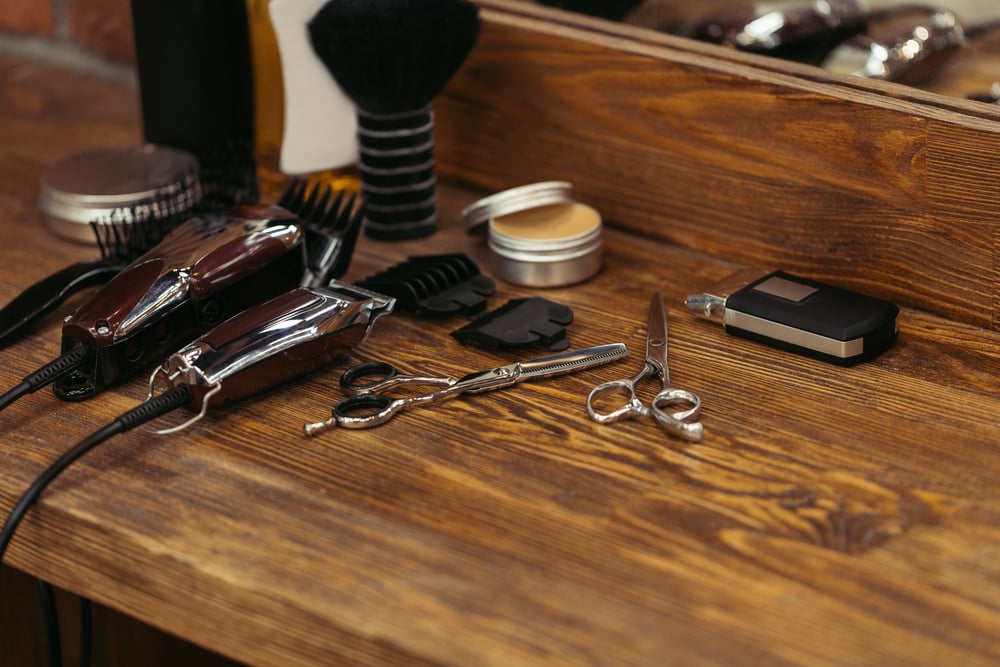
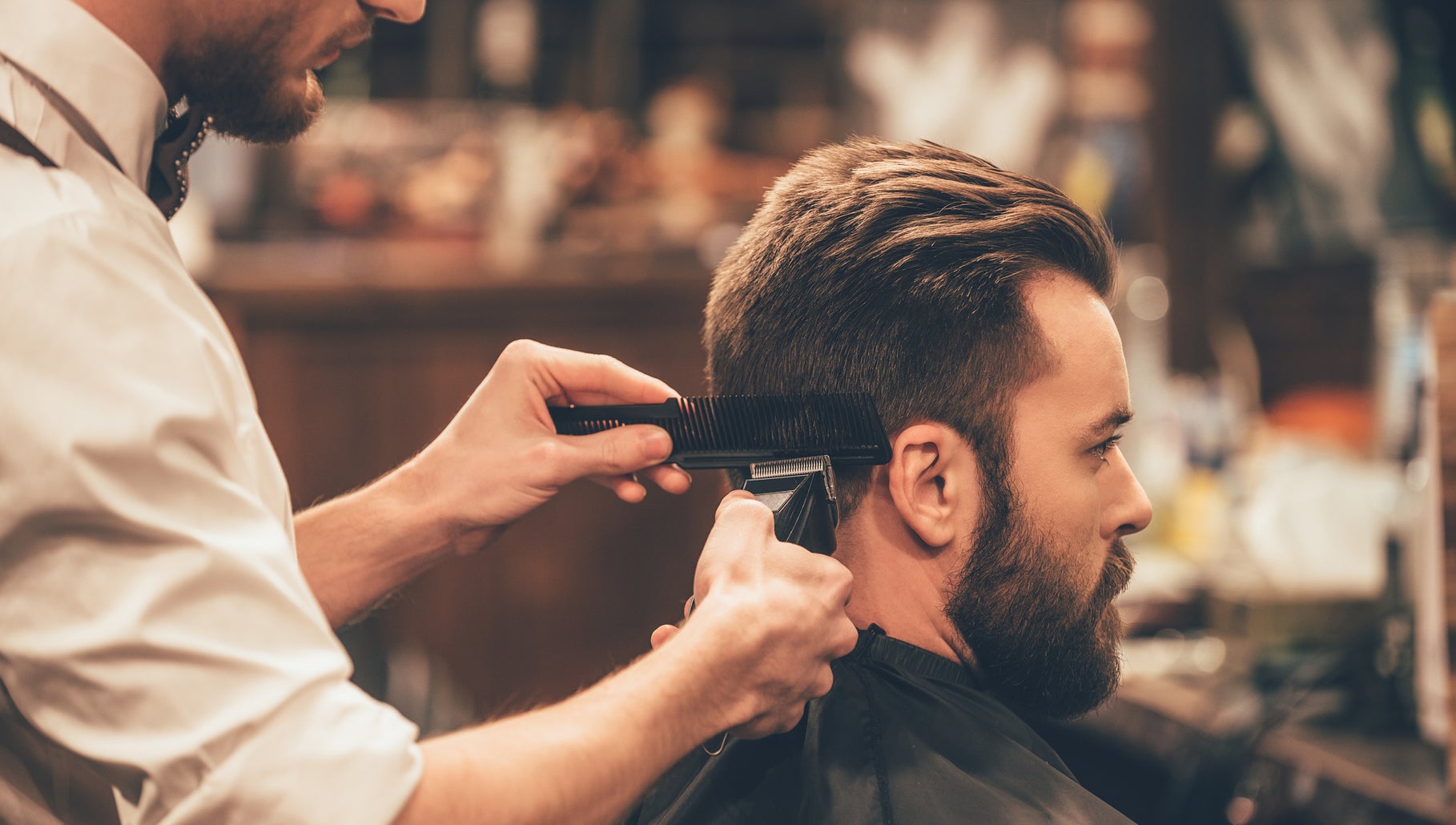
Clippers shear every hair at the same plane as the guard passes over the head. The result is uniform length, a clean silhouette, and blunt ends that sit neatly against each other. That uniformity is exactly right for fades, buzz cuts, and short sides. It is also why an all-clipper cut on top can look like a helmet: every strand the same length, moving as one sheet.
Scissors cut hair point by point, and a barber can vary length strand by strand, cut into the ends to break them up, and leave weight in one place while removing it in another. The result is texture and movement. Scissor work grows out softer, with no hard line where one length met another, but it takes longer and cannot produce the skin-tight gradient a fade needs.
Most good cuts are a blend: clippers for the sides and the architecture, scissors for the top and the finish. The troubleshooting starts when the blend ratio is wrong for your hair.
From symptom to cause to fix
- Symptom: the top looks like a solid cap. Likely cause: clippers used across the top at one guard length. Fix: ask for the top scissor-cut, or clipper work finished with point-cutting to break up the ends.
- Symptom: grow-out turns ragged by week two. Likely cause: heavy thinning-shear use, which leaves mixed short strands that puff as they grow. Fix: ask for bulk removed with regular scissors instead, and keep thinning shears off fine or wavy hair.
- Symptom: the sides fade beautifully but the blend line shows. Likely cause: the clipper-to-scissor junction was rushed. Fix: this is a shop fix, not a home one; a barber scissor-over-comb pass softens that junction.
- Symptom: thick hair feels heavier a week after the cut than before it. Likely cause: length removed but weight left, common when clippers skim the surface. Fix: ask for the interior thinned and textured with scissors, not just shortened.
- Symptom: fine hair looks stringy and thin at the ends. Likely cause: too much texturizing on hair that had no surplus. Fix: blunt scissor ends, minimal layering, and length kept even.
- Symptom: cowlicks and the crown act worse than usual. Likely cause: uniform clipper length cut against the growth spiral. Fix: leave the crown longer or take it much shorter, decided by growth direction, not habit.
Choosing by hair type, not by habit
Straight, thick hair tolerates and often needs scissor texture on top, or it sits like a block. Fine hair wants the opposite: blunt, even ends and very little removed from the interior. Curly hair is usually scissor territory on top, because clippers at one length ignore how each curl springs back at a different rate, and the result can look uneven once dry. Very short styles reverse the logic: clippers do nearly everything, and scissors only tidy the edges.
Grow-out preference matters too. If you stretch cuts to five or six weeks, scissor work on top forgives the extra length far better. If you are in the chair every two weeks for a skin fade in Newton, clippers are the main tool and grow-out barely gets a chance to happen.
What you can adjust at home
You cannot recut the blend, but you can stop masking the diagnosis. If the top feels heavy, resist adding more product; weight is a cutting issue. If the ends look blunt and shelf-like, a small amount of matte product worked through dry hair separates them visually until the next cut. Then say the specific sentence at the next visit: name the symptom and the week it appeared. Barbers troubleshoot far better from "heavy by week two" than from "same as last time."
Common questions
Is a scissor cut better than a clipper cut?
Neither, in general. Clippers win for fades and uniform short work; scissors win for length, texture, and soft grow-out. Most heads need both, in proportions set by hair type.
Why does a scissor cut cost more time in the chair?
Because it is done section by section and strand group by strand group, rather than in passes. Expect a scissor-heavy cut to take noticeably longer than an all-clipper cut.
My barber used clippers on top and it looked great. Should I switch?
No. If the grow-out behaves and the shape holds, the blend is right for your hair. Change tools when a symptom shows up, not on principle.
Photos in this guide are representative stock images.
← All guides from In The Cut Barbershop← Back to In The Cut Barbershop